Source Quick Dry Anti Shrink Sports T Shirt for Cycling Racing Gym
Find 30 listings for the quick dry anti shrink sports t shirt designed for ball sports, cycling, and gym activities. Buyers can compare features like moisture-wicking, breathable fabric, and customization options from verified suppliers in Zhejiang, China.
Key considerations
Products List


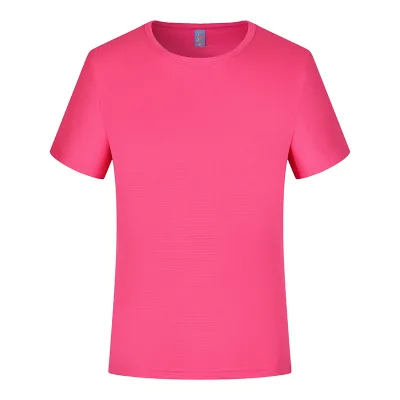


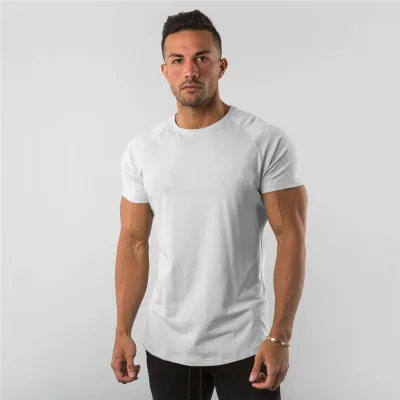
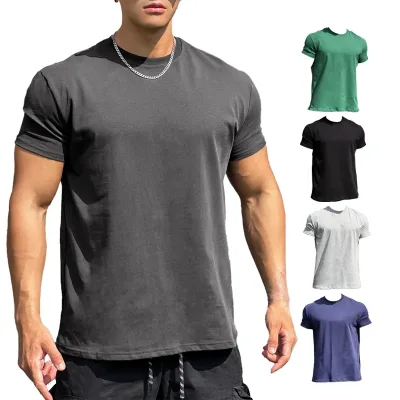
Comprehensive Sourcing Guide
Strategic Sourcing Guide for Quick-Dry Anti-Shrink Sports T-Shirts
Understanding Technical Specifications and Material Composition
When sourcing quick-dry anti-shrink sports t-shirts, the primary focus must be on the material composition and the specific technical attributes that define performance. Based on the available market data, the product landscape for this category is diverse, ranging from 100% polyester constructions to cotton blends, though high-performance athletic wear typically relies on synthetic fibers for moisture management. The observed specifications indicate that a significant portion of the inventory utilizes 100% polyester, which is the industry standard for rapid moisture-wicking capabilities. This material choice is critical for the "quick-drying" attribute, as synthetic fibers do not absorb water in the same manner as natural fibers, allowing sweat to evaporate quickly from the surface of the fabric.
The technical construction of these garments often involves specific knitting techniques. Data points highlight "Knitted" as a primary technic, which provides the necessary elasticity and breathability required for dynamic movements. For buyers seeking durability and shape retention, the "Anti-Shrink" claim necessitates a verification of the fabric weight and finishing processes. One observed specification lists a fabric weight of 160GSM, which serves as a benchmark for mid-weight athletic tees that balance coverage with breathability. However, buyers must remain aware that material specifications can vary; some listings indicate "according custom requirement," suggesting that the final GSM and fiber blend are often negotiable based on the specific application.
The design and cut of the t-shirt also play a vital role in functionality. The "Sleeve Style" is predominantly "Short Sleeve," and the "Sleeve Shape" is noted as "Normal," indicating a standard athletic fit. The "Collar Style" is frequently "Round Neck," a classic design that offers comfort without restricting neck movement during high-intensity activities. Furthermore, the "Pattern" is often observed as "Plain," which serves as a versatile canvas for customization. This plain base is essential for the "Sublimation" printing method mentioned in the product attributes, allowing for full-color, all-over designs that do not crack or fade during washing. The "Automated Cutting" technique observed in the supply chain suggests a high degree of precision in pattern making, which contributes to the consistency of the garment's dimensions and the effectiveness of the anti-shrink properties.
Compliance, Certification, and Quality Assurance Protocols
In the B2B procurement of sports apparel, compliance and quality assurance are non-negotiable elements that protect the buyer's brand reputation. While specific third-party certifications are not explicitly listed in the provided product data, the supply chain demonstrates a commitment to rigorous internal quality control. A key observation is the "100% Inspection" policy, which indicates that every unit undergoes a visual and functional check before packaging. This level of scrutiny is crucial for identifying defects such as uneven stitching, fabric holes, or printing errors that could compromise the "Quick-Drying" or "Breathable" claims.
Buyers must verify that the manufacturing process adheres to relevant safety and environmental standards, particularly regarding the dyes and finishes used. The "100%polyester" standard suggests a reliance on synthetic materials, which requires careful management of chemical treatments to ensure they are free from harmful substances. The "100%Inspection" attribute serves as a baseline, but for international markets, buyers should request documentation regarding compliance with standards such as OEKO-TEX or REACH, depending on the destination country. The "Policy" of 100% inspection is a strong indicator of a supplier's internal discipline, yet it should be complemented by third-party testing for specific performance metrics like colorfastness and shrinkage rates.
The "Customization" and "ODM&OEM" capabilities of the suppliers imply a flexible production environment. In such settings, maintaining compliance requires strict oversight of the customization process. When a buyer requests a custom logo or specific fabric blend, the supplier must ensure that these additions do not violate safety regulations. The "Sample Time" of 3-5 days suggests a responsive prototyping phase, which is an excellent opportunity for buyers to verify that the sample meets their specific compliance requirements before mass production begins. The "7 Days Fast Proofing" support further underscores the importance of the pre-production verification stage, where the buyer can confirm that the "Anti-Shrink" treatment and "Quick-Drying" performance are present in the final prototype.
Cost Drivers and Pricing Dynamics in the Sports Apparel Market
The pricing structure for quick-dry anti-shrink sports t-shirts is influenced by a complex interplay of material costs, production complexity, and order volume. The observed price range in the market spans from 0.5 to 13 USD, a wide spectrum that reflects the diversity of product quality, material composition, and customization levels. At the lower end of this range, products are likely to be basic cotton or standard polyester tees with minimal customization and lower GSM weights. Conversely, the higher price points correspond to advanced performance fabrics, complex sublimation printing, and tighter quality control measures.
Material cost is a primary driver. The shift from "Cotton" to "Polyester" significantly impacts the unit price, as high-performance polyester with moisture-wicking treatments commands a premium. The "Fabric Weight" of 160GSM represents a mid-tier cost point; lighter fabrics may be cheaper but less durable, while heavier fabrics increase material usage and cost. Additionally, the "Automated Cutting" and "Knitted" technics suggest a level of mechanization that can reduce labor costs but requires capital investment, which may be reflected in the pricing structure.
Order volume is another critical factor. The "MOQ" (Minimum Order Quantity) ranges from 1 to 1000 units, indicating that suppliers cater to both small-scale buyers and large distributors. Smaller orders, such as those near the 1-unit MOQ, typically carry a higher per-unit cost due to the fixed costs of setup and sampling. As the order quantity increases, the per-unit price tends to decrease, allowing buyers to access the lower end of the 0.5-13 USD range. The "Supply Type" being listed as "in-Stock Item" for some models suggests that buyers can secure immediate delivery at potentially lower costs by purchasing existing inventory, whereas custom orders involving "ODM&OEM" design work will incur higher costs and longer lead times.
Typical Applications and Usage Scenarios
The versatility of quick-dry anti-shrink sports t-shirts makes them suitable for a broad array of applications, ranging from professional athletics to casual fitness activities. The product attributes explicitly list "Ball Sports, Racing, Cycling, Track and Field" as primary usage categories. In these high-intensity environments, the "Quick-Drying" and "Moisture-Wicking" features are essential for maintaining body temperature and comfort. The "Breathable" nature of the fabric ensures adequate airflow, preventing overheating during sustained physical exertion.
Beyond competitive sports, the usage data also highlights "Fitness, Gym, Yoga, Dancing" as significant application areas. In these settings, the "Anti-Shrink" property is particularly valuable, as repeated washing and stretching can degrade the fit of a garment. The "Body Shape" feature mentioned in the attributes suggests that these t-shirts are designed to retain their silhouette, providing a flattering and functional fit for various body types. The "Unisex" gender classification further expands the market potential, allowing these garments to be marketed to a wide demographic without the need for separate sizing lines, although the available sizes range from S to Xxxxl to accommodate diverse needs.
The "Summer" season specification indicates that these products are optimized for warm-weather conditions. The "Plain" pattern and "Single Color" options make them ideal for team uniforms, where a cohesive look is required. The ability to accept a "Custom Logo" allows teams and organizations to brand their apparel effectively. Whether for a local running club, a professional cycling team, or a corporate fitness challenge, the combination of performance fabric and customization options makes these t-shirts a practical choice for group activities.
Supplier Evaluation and Operational Capabilities
Evaluating a supplier for sports t-shirt procurement requires a thorough assessment of their operational capabilities, logistical reliability, and communication efficiency. The "Place of Origin" is consistently listed as "Zhejiang, China (Mainland)," a region known for its robust textile manufacturing infrastructure. Buyers should verify the specific city, such as "Zhejiang," to understand the local supply chain ecosystem. The "Brand Name" "Honest" appears in the data, but buyers should not rely on a single brand name as a proxy for quality; instead, they should focus on the supplier's track record and specific product attributes.
Key operational metrics to evaluate include the "Order Delivery Time," which is observed to be 20-25 days for custom orders. This lead time is a critical factor in supply chain planning, especially for seasonal products. Buyers must ensure that this timeline aligns with their inventory requirements and that the supplier has a buffer for potential delays. The "Sample Time" of 3-5 days is a positive indicator of responsiveness, allowing for quick iterations during the design phase. The "Payment Method" options, including "Westernunion" and "Bank," suggest established financial channels, but buyers should also consider secure payment methods that offer buyer protection.
The "Customization" availability is a significant differentiator. Suppliers offering "ODM&OEM" services provide flexibility in design, from fabric selection to logo placement. The "Sublimation" printing method allows for high-quality, durable graphics that are integral to the product's aesthetic appeal. Buyers should assess the supplier's capacity to handle custom requests, such as specific "Size" ranges (S-M-L-XL-XXL-Xxxl-Xxxxl) and unique "Fabric Weight" requirements. The "1PC/Polybag" or "OPP" packing methods indicate attention to detail in product protection, ensuring that the garments arrive in pristine condition.
Quality Control and Long-Term Procurement Considerations
Maintaining consistent quality over time is essential for long-term procurement success. The "100%Inspection" policy is a strong foundation, but buyers should implement their own quality control measures to ensure that the "Anti-Shrink" and "Quick-Drying" claims hold true over multiple wash cycles. The "Standard" of "100%polyester" or "according custom requirment" highlights the need for clear specifications in the purchase order. Ambiguity in material standards can lead to inconsistencies in product performance.
For long-term partnerships, buyers should prioritize suppliers who demonstrate a commitment to continuous improvement. The "Automated Cutting" technic suggests a move towards efficiency and precision, which can reduce waste and improve consistency. The "7 Days Fast Proofing" support is another valuable feature, enabling buyers to quickly validate changes and maintain product quality. Additionally, the "Production Model" numbers (e.g., QC-STS1947, BSNX080) serve as unique identifiers for tracking specific product lines, facilitating better inventory management and quality追溯.
Buyers should also consider the environmental impact of their procurement choices. The shift towards synthetic materials like polyester raises questions about sustainability. While the provided data does not explicitly mention recycled materials, buyers can inquire about the use of recycled polyester or eco-friendly dyes as part of their supplier evaluation. The "Customization" aspect allows for the development of sustainable product lines, such as using organic cotton blends or biodegradable packaging.
In conclusion, sourcing quick-dry anti-shrink sports t-shirts requires a balanced approach that considers technical specifications, compliance, cost, and supplier capabilities. By leveraging the observed data points and maintaining a rigorous evaluation process, buyers can secure high-quality products that meet the demands of the modern athletic market. The wide range of options, from basic cotton tees to advanced polyester performance wear, offers flexibility for diverse procurement needs. Ultimately, the success of the sourcing strategy depends on clear communication, precise specifications, and a commitment to quality at every stage of the supply chain.
FAQs
How is the quick-dry performance achieved in these t-shirts?
Quick-dry performance is achieved primarily through 100% polyester construction which allows rapid moisture evaporation. This synthetic fiber does not absorb water like cotton, enabling sweat to move to the surface for fast drying during high-intensity activities like cycling or track events.
What customization options are available for branding and design?
Customization is available with support for ODM and OEM services including sublimation printing and custom logos. Buyers can request specific designs on plain or single-color fabrics, allowing for full-color graphics that remain durable during washing and active use.
Which material standards ensure the anti-shrink properties of the garment?
Anti-shrink properties are supported by using 100% polyester or custom requirements with automated cutting techniques. The fabric weight, such as 160GSM, and knitting methods help maintain body shape and prevent shrinkage after repeated washing cycles in summer conditions.
Can buyers order small quantities for immediate stock needs?
Yes, buyers can order small quantities as the minimum order quantity ranges from 1 to 1000 units. Some models are listed as in-stock items, allowing for immediate procurement without waiting for the standard 20 to 25-day delivery time associated with custom orders.
How does the supplier ensure quality before shipping the products?
The supplier ensures quality through a strict 100% inspection policy applied to every unit before packaging. This internal protocol checks for defects in stitching, fabric, and printing to guarantee that the breathable and moisture-wicking features meet the required performance standards.
What is the typical lead time for custom orders with logos?
The typical lead time for custom orders is 20 to 25 days after sample approval. A sample time of 3 to 5 days is provided for proofing, allowing buyers to verify the custom logo and fabric specifications before the main production run begins.
Which sizes are available to accommodate different body shapes?
Sizes range from S to Xxxxl to accommodate various body shapes and unisex requirements. The product specifications list multiple size options including S, M, L, XL, XXL, and larger sizes to ensure a proper fit for fitness, gym, and racing applications.